
Introduction: A Critical Gap in Criminal Justice Research
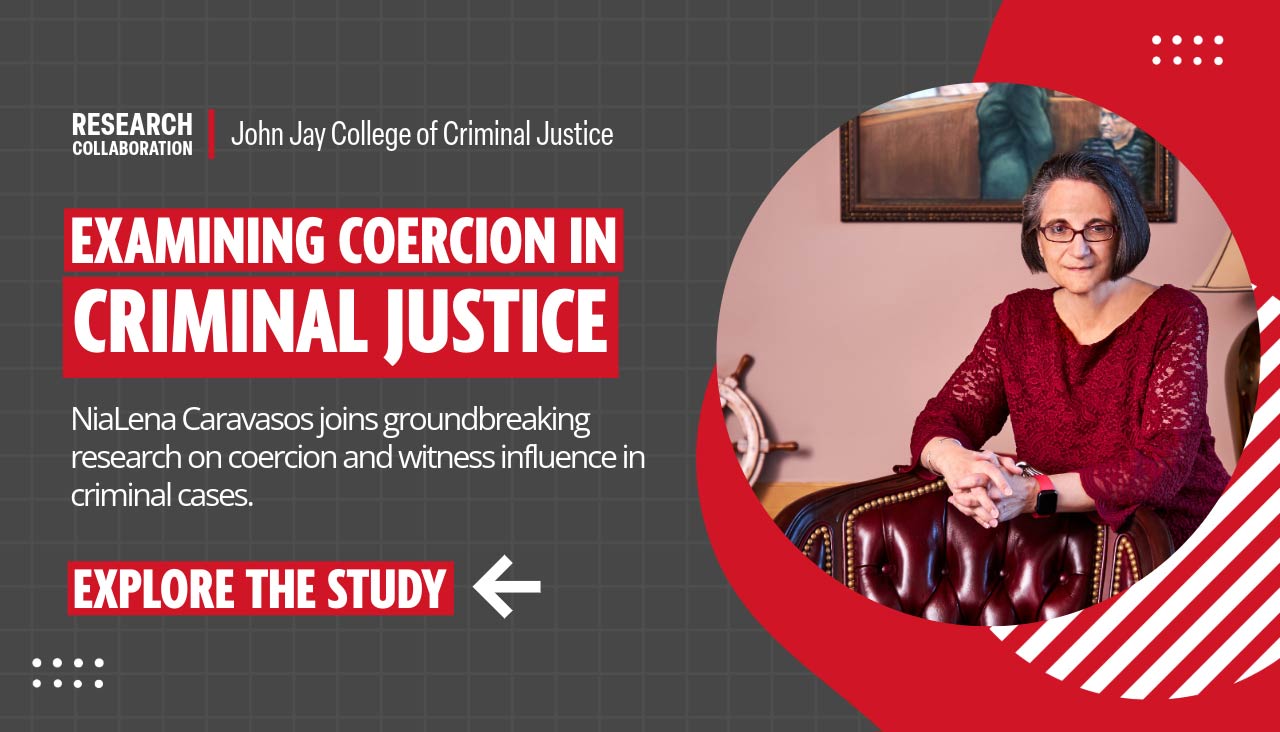
NiaLena Caravasos, a respected figure in federal criminal defense, collaborated with the John Jay College of Criminal Justice in New York City on a groundbreaking study examining coercion in the legal system. While forced confessions have long been scrutinized and widely condemned for their damaging effects, a far less explored issue continues to influence court outcomes: the coercion of eyewitnesses.
This overlooked area raises serious concerns. Eyewitness testimony often carries significant weight in criminal trials, yet it frequently lacks proper documentation and rigorous examination. The study involving NiaLena focuses on how coerced witness statements shape defense strategies and ultimately impact case outcomes.
Understanding Coerced Testimony in Criminal Law
What Is Coercion in Legal Contexts?
Coercion occurs when individuals are pressured, manipulated, or intimidated into providing statements that may not reflect the truth. In criminal investigations, coercion can affect both suspects and witnesses. While legal safeguards have evolved to address forced confessions, similar protections for eyewitnesses remain limited.
Why Eyewitness Testimony Holds Power
Eyewitness accounts can significantly influence juries. A confident witness often appears credible, even when their testimony stems from suggestion or pressure. This creates a dangerous dynamic where unreliable statements can contribute to wrongful convictions.
The Overlooked Problem: Coercing Eyewitnesses
Lack of Documentation and Oversight
Unlike interrogations of suspects, which are often recorded, interactions with witnesses are not consistently documented. This lack of transparency allows coercive tactics to go unnoticed. Without recordings or detailed records, defense attorneys face challenges in proving that a witness statement was influenced.
Minimal Scrutiny Compared to Confessions
Courts have established strict standards for evaluating confessions, but witness statements do not receive the same level of examination. This discrepancy creates a blind spot in the justice system where coerced testimony can slip through without question.
NiaLena Caravasos’ Role in Advancing Legal Insight
Collaboration with John Jay College
NiaLena contributed her legal insight to a study designed to analyze how defense attorneys respond when they suspect or confirm that a witness has been coerced. Her involvement brought practical, courtroom-based insights into an academic setting, bridging theory and real-world legal strategy.
Focus of the Study
The research aimed to answer a crucial question: How do criminal defense attorneys adjust their case strategy when faced with potentially coerced eyewitness testimony?
This includes examining:
- Whether attorneys challenge the credibility of the witness
- How they introduce doubt to juries
- The legal motions filed to suppress unreliable statements
- Strategic decisions regarding plea negotiations or trial
Impact on Criminal Defense Strategy
Challenging Witness Credibility
Defense attorneys must carefully dissect witness statements when coercion is suspected. They analyze inconsistencies, investigate how the statement was obtained, and expose any undue influence during cross-examination.
Leveraging Expert Testimony
In many cases, attorneys bring in experts on memory and interrogation techniques to educate juries about how coercion can distort perception and recollection. This approach strengthens the argument against unreliable testimony.
Filing Motions to Suppress Evidence
When sufficient evidence of coercion exists, defense teams may file motions to exclude the witness statement entirely. Although courts are less accustomed to suppressing eyewitness testimony than confessions, this strategy is gaining traction.
Why This Research Matters
Preventing Wrongful Convictions
Coerced testimony can lead to devastating consequences, including wrongful imprisonment. By highlighting this issue, the study pushes the legal community to reconsider how witness statements are treated.
Encouraging Policy Reform
The findings may influence future policies, such as:
- Mandating the recording of all witness interviews
- Establishing stricter guidelines for questioning witnesses
- Increasing judicial scrutiny of eyewitness statements
Raising Awareness Among Legal Professionals
This research equips defense attorneys with better tools to identify and challenge coercion. It also encourages prosecutors and judges to take a more cautious approach when relying on witness testimony.
The Future of Eyewitness Testimony in Criminal Justice
Calls for Greater Transparency
Legal experts increasingly advocate for full transparency in witness interviews. Recording these interactions would create accountability and provide critical evidence when disputes arise.
Standardizing Legal Protections
Expanding protections currently applied to suspects could help safeguard witnesses from coercion. Clear protocols would reduce the risk of manipulated testimony entering the courtroom.
Integrating Research into Practice
Studies like the one involving NiaLena Caravasos play a vital role in shaping modern defense strategies. As awareness grows, courts may begin to treat coerced eyewitness testimony with the same caution as forced confessions.
Conclusion
The collaboration between NiaLena Caravasos and John Jay College highlights a crucial weakness in the criminal justice system. While society has made progress in addressing coerced confessions, the coercion of eyewitnesses remains a largely unexamined threat.
By focusing on how defense attorneys respond to these situations, the study opens the door to meaningful reform. Greater scrutiny, improved documentation, and stronger legal protections can help ensure that justice relies on truth rather than pressure.
Addressing this issue is not just an academic exercise. It is a necessary step toward a fairer, more reliable legal system where every statement presented in court reflects genuine, uncoerced testimony.


